Key Considerations for Prospective Homebuyers in an HOA Community

RANDY AVILA  |  May 22, 2024

EXPERT ADVICE & KNOWLEDGE
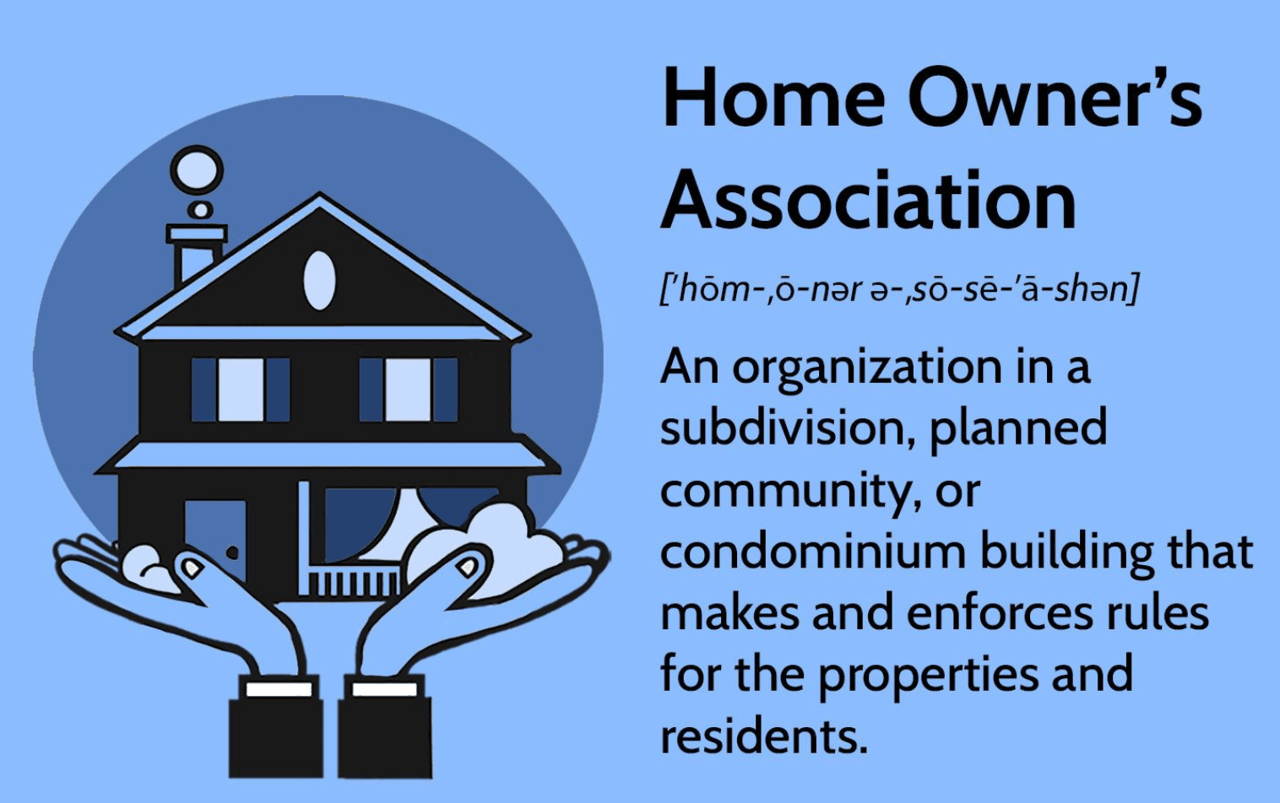
Key Considerations for Prospective Homebuyers in an HOA Community
Buying a home is one of the most significant investments many people will make in their lifetime.  This decision involves various factors, especially when the property is located within a Homeowners Association (HOA).  Recently, we received an inquiry from a consumer about purchasing their first home in a new community with an HOA.  This blog aims to address their concerns and provide comprehensive advice for prospective home-buyers to make the experience less daunting.
Market Shifts and Emerging Trends
We are seeing a notable shift in the residential market, particularly within the attached property sector.  This has been influenced by several key factors that have emerged in recent months.
Underwriters are increasingly scrutinizing the financial health of Homeowners Associations (HOAs) due to new lending guidelines.  This has led to a rise in HOA dues and special assessments, largely driven by significant increases in master policy costs.  For example, some sellers have experienced HOA dues rising from around $300 to over $800.  In another instance, an HOA is planning a special assessment of $3,600 annually for the next five years to stabilize their finances.  Additionally, many condo communities have let their FHA approvals lapse, complicating the purchase process for first-time and lower entry buyers.
Lenders are also wary of mixed-use commercial/condo communities, viewing the financial burden placed on commercial spaces as a riskier proposition. Consequently, we are seeing a marked shift from condos to single-family detached units. Buyers who might have considered a $500,000 condo with a $1,000 monthly HOA bill are finding better value in single-family homes priced around $700,000, offering a more sound investment.
Key Considerations for Prospective Homebuyers in an HOA Community
  1. Understanding the HOA’s Governing Documents
    • Declaration of Covenants, Conditions, and Restrictions (CC&Rs): Prospective buyers can obtain a copy of the CC&Rs from the Clerk and Recorder’s office for the county where the property is located. This document provides crucial information such as:
      • Common elements the HOA is responsible for maintaining.
      • A map of the community (Plat Map) outlining property boundaries and physical characteristics.
      • Voting rights allocated to each unit/owner.
      • Determination of assessments or HOA dues for each unit.
      • Restrictions on property use.
    • Recommendation: Review the CC&Rs thoroughly to ensure the community's rules align with your lifestyle and goals.
  2. Physical Condition of the Community
    • Visual Inspection: Drive through the community to observe the overall condition. Look for signs of decay, such as chipping siding, deteriorating balconies, or missing roof shingles on common buildings.
    • Deferred Maintenance: Signs of neglect might indicate potential special assessments for repairs in the future.
  3. Engaging a Real Estate Broker
    • Expertise in HOA Issues: Consider hiring a real estate broker experienced with HOA-related matters. Verify their familiarity with the Colorado Common Interest Ownership Act (CCIOA) and inquire about any ongoing or potential litigation within the HOA.
    • Potential Lawsuits: Legal issues can lead to increased dues to cover legal expenses.
  4. Lender’s Experience with HOA Questionnaires
    • HOA Questionnaire: This is a risk-management tool used by lenders during the mortgage approval process. Check if your lender has a good relationship with the HOA or community association manager, as difficulties in obtaining necessary information may indicate internal issues within the HOA.
  5. HOA Registration Status
    • Colorado HOA Information & Resource Center: Check if the HOA is registered with this center, as registration is required by law in Colorado. An unregistered HOA cannot pursue enforcement actions or file liens against delinquent homeowners. Use the Division of Real Estate Licensee Lookup to verify the HOA's status.
  6. Feedback from Current Residents
    • Community Experience: Speak with current residents about their experiences with the HOA. Ask about communication with the board, any issues they've encountered, and historical increases in dues. This feedback can provide valuable insights without disclosing confidential information.
Conducting due diligence before committing to purchasing a home in an HOA community can help avoid unexpected surprises. By understanding the governing documents, inspecting the community's condition, engaging knowledgeable professionals, and seeking feedback from current residents, prospective buyers can make informed decisions. Remember, an informed buyer is a prepared buyer.
Disclaimer
The information provided is for informational purposes only and should not be construed as legal advice. For legal inquiries, please consult a licensed attorney in Colorado.
By following these guidelines, buyers and sellers can navigate the complexities of purchasing a home within an HOA community more effectively, ensuring a smoother and more informed home buying process.

WHO YOU WORK WITH MATTERS

Contact us to provide an experience unlike others and help you take the stress out of buying and selling your home in the Denver and surrounding area today!