Tell Us What You’re Looking For

You’re all set. We’ll reach out shortly with next steps. No spam. No pressure. Ever.

Aurora

Explore living in Aurora, CO, with local insight on homes, reservoirs, trails, arts, transit, and the city lifestyle that makes Aurora stand out.
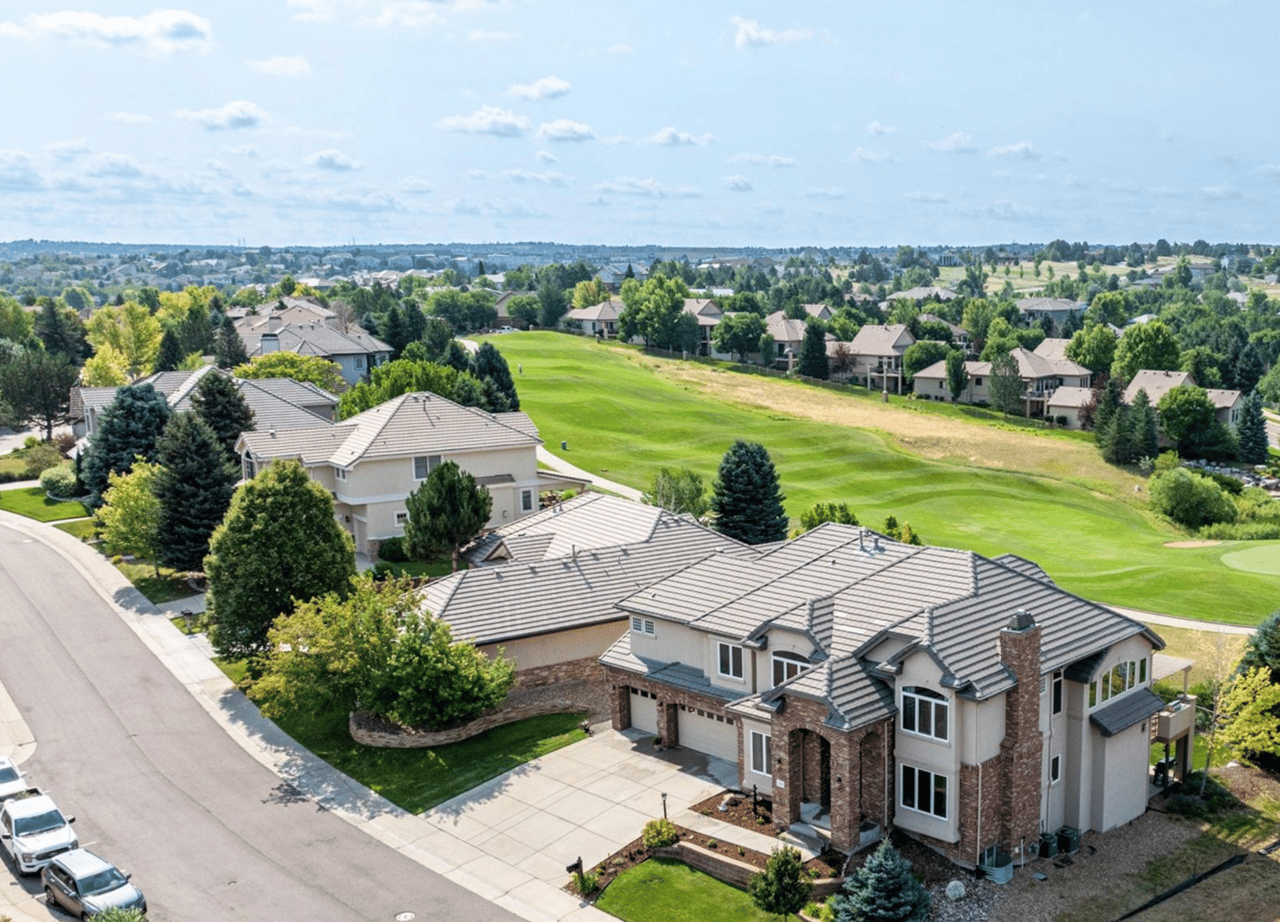
Living in Aurora, Colorado
Aurora offers one of the broadest lifestyle mixes in the Denver metro. It combines big-city scale with neighborhood variety, extensive open space, major medical and innovation anchors, and outdoor amenities that are easy to work into daily life. For buyers, renters, and relocators, Aurora stands out because it is not defined by just one thing. It is a city of reservoirs, trails, performing arts, historic remnants, modern growth, and strong regional access all in one place.[1][2][3]
Why People Love Aurora
Aurora has range. Some parts of the city feel suburban and residential. Other parts feel more institutional, civic, or recreation driven. That range is one of Aurora’s biggest strengths. The city grew rapidly after World War II and saw especially dramatic expansion in the 1970s and 1980s, when it added nearly 150,000 people and tripled in population.[1] That history matters because it helps explain why Aurora feels so layered: older established neighborhoods, later suburban growth, large community parks, medical and employment centers, and newer development all exist within the same city story.[1] One of Aurora’s most distinctive outdoor assets is the Plains Conservation Center, which includes 1,182.5 acres of prairie landscape and a replica sod village — a very different kind of Front Range recreation experience than a typical city park.[4]
Parks, Open Space, and Everyday Outdoor Living
Aurora’s outdoor story is much stronger than many people expect. The city says it has 103 developed parks and 8,000 acres of open space, giving residents a wide range of places to walk, bike, fish, picnic, or simply spend time outside.[2]
The Aurora Reservoir spans 1,861.5 acres and offers sailing, windsurfing, fishing, non-motorized boating, a seasonal swim beach, wildlife watching, and an eight-mile reservoir trail.[3] Quincy Reservoir adds a quieter urban nature retreat with a certified 5K trail and seasonal access.[3]
Aurora also has places that feel especially distinctive for the Front Range. DeLaney Farm combines open space with historic buildings, including Aurora’s well-known round barn, while the Plains Conservation Center covers 1,182.5 acres and includes prairie landscapes, wildlife viewing, and a replica sod village that ties together natural and human history.[3] That is exactly the kind of locally specific detail that gives an Aurora page more credibility and SEO depth.
Trails and Natural Corridors
Aurora’s trail network is another major lifestyle advantage. The city’s open space pages highlight corridors such as the Sand Creek Riparian Preserve, where trail users and nature lovers can explore a 317 acre natural area tied to the Sand Creek Greenway Trail.[3] The Sand Creek Regional Greenway itself describes the corridor as a nearly 13 mile public trail and natural area in the northeast Denver metro.[10]
Aurora also connects into the broader regional landscape. The city’s Cherry Creek Spillway links Cherry Creek State Park with Aurora’s trail system.[3] Nearby, Cherry Creek State Park adds prairie, wetland, riparian, and reservoir scenery to the city’s outdoor orbit.[9]
Homes in Aurora
Aurora’s housing stock is best understood as a city of multiple growth eras rather than one signature housing type. Because Aurora’s major expansion accelerated after World War II and continued through the late 20th century, the typical citywide home is more often a detached suburban residence from the postwar or later growth eras than a historic cottage or downtown-style loft.[1]
That makes Aurora especially appealing to people looking for variety. Some areas feel more established and long settled, while newer parts of the city reflect more recent residential growth. The most accurate way to describe the typical home in Aurora is this: Aurora is known primarily for established and later era single family neighborhoods, with additional attached and newer residential options across a very large city footprint.[1]
Architectural Character and Design Legacy
Aurora’s architectural story is less about one singular celebrity architect and more about eras, adaptive civic reuse, and recognizable local landmarks. That is the honest and strongest way to present the city.
One of the clearest architectural touchpoints is the Aurora Fox Arts Center, originally built in 1946. Its Art Moderne entrance and 61 foot neon sign remain among Aurora’s most recognizable historic design features.[4]
Aurora’s design identity also includes places like DeLaney Farm, where the historic round barn adds rural historic character to the city’s landscape,[3] and the broader Fitzsimons/Anschutz district, where large scale medical, research, and institutional design now shape an important part of the city’s built environment.[7][8]
Arts, Culture, and Local Destinations
The Aurora Fox Arts Centeris now an award winning professional theater operated by the city and includes both a 242 seat proscenium theater and a 72 seat studio theater.[4] That gives Aurora a real performing arts anchor with history and visual character.
The Aurora History Museum adds another layer to the city’s local identity, with a dedicated cultural space right in the civic core.[5] And destinations like Stanley Marketplace contribute to Aurora’s community gathering feel, emphasizing food, music, connection, and shared local life.[11]
Medical, Education, and Innovation Hub
One of Aurora’s biggest differentiators is the scale of its health and innovation presence. CU Anschutz describes itself as the largest academic health center in the Rocky Mountain region, with more than 2.9 million patient visits each year, 4,500 students, and a major statewide economic impact.[7]
Aurora is not only residential and recreational. It is also a major center for medicine, education, research, and innovation. The Fitzsimons Innovation Community reinforces that identity, with rail access and proximity to major regional destinations.[8]
Getting Around Aurora
Aurora benefits from strong regional transportation connections. The RTD A Line connects Union Station to Denver Airport Station,[6] making airport access and regional travel an especially practical part of Aurora living. Around the Fitzsimons area, rail access also helps connect residents, students, workers, and visitors to major destinations across the metro.[8]
The Overall Lifestyle in Aurora
Living in Aurora often appeals to people who want flexibility. The city supports outdoor recreation through reservoirs, trails, parks, and prairie open space. It supports arts and community through the Aurora Fox, the museum, and local gathering places. And it supports day-to-day practicality through major health and education anchors, regional transit access, and a wide range of residential environments.[2][3][4][5][6][7][8][10][11]
Aurora’s strongest identity is this: a large, active Colorado city where outdoor access, everyday livability, and regional opportunity come together.
FAQs
What is Aurora, Colorado known for?
Aurora is known for its large park and open-space system, reservoirs, trails, performing arts venues, and major medical and innovation anchors like CU Anschutz and Fitzsimons.[2][3][4][7][8]
What types of homes are common in Aurora, Colorado?
Aurora is best known for established and later era single family neighborhoods, reflecting the city’s major postwar and late 20th century growth, along with attached and newer residential options across the city.[1]
Does Aurora have good outdoor access?
Yes. Aurora has 103 developed parks, 8,000 acres of open space, the Aurora Reservoir, Quincy Reservoir, DeLaney Farm, Plains Conservation Center, and connections to regional trails and Cherry Creek State Park.[2][3][9][10]
Does Aurora have notable architecture or historic design?
Aurora’s architectural identity is varied, but the Aurora Fox Arts Center is a standout local landmark with a preserved Art Moderne entrance and a 61 foot neon sign.[4]
Is Aurora connected to the rest of the Denver metro?
Yes. Aurora benefits from strong regional access, including the RTD A Line corridor and rail-served areas such as Fitzsimons.[6][8]
Sources
[1] City of Aurora. Population / growth overview.https://www.auroragov.org/city_hall/about_aurora/data___demographics/population_test
[2] City of Aurora. Parks, Open Space & Trails. https://www.auroragov.org/things_to_do/parks__open_space___trails
[3] City of Aurora. Open Space listings, including Aurora Reservoir, Quincy Reservoir, DeLaney Farm, Plains Conservation Center, and Sand Creek Riparian Preserve. https://www.auroragov.org/cms/One.aspx?portalId=16242704&pageId=16564863
[4] Aurora Fox Arts Center. About. https://aurorafoxartscenter.org/about/
[5] Aurora History Museum. Official website. https://www.auroramuseum.org
[6] RTD Denver. A Line. https://app.rtd-denver.com/route/A/schedule?serviceType=4&direction=Eastbound&branch=
[7] CU Anschutz. About. https://www.cuanschutz.edu/about
[8] Fitzsimons Innovation Community. Official website. https://www.fitzsimonsinnovation.com
[9] Colorado Parks and Wildlife. Cherry Creek State Park. https://cpw.state.co.us/state-parks/cherry-creek-state-park
[10] Sand Creek Regional Greenway Partnership. Official website. https://sandcreekgreenway.org
[11] Stanley Marketplace. About. https://www.stanleymarketplace.com/about
Information is provided for general informational purposes and should be independently verified by buyers.

Search Homes

WHO YOU WORK WITH MATTERS

Contact us to provide an experience unlike others and help you take the stress out of buying and selling your home in the Denver and surrounding area today!