Boulder
Boulder, Colorado blends outdoor access, university energy, historic character, arts and culture, and a highly livable city feel into one of the most distinctive lifestyle destinations in the Front Range.
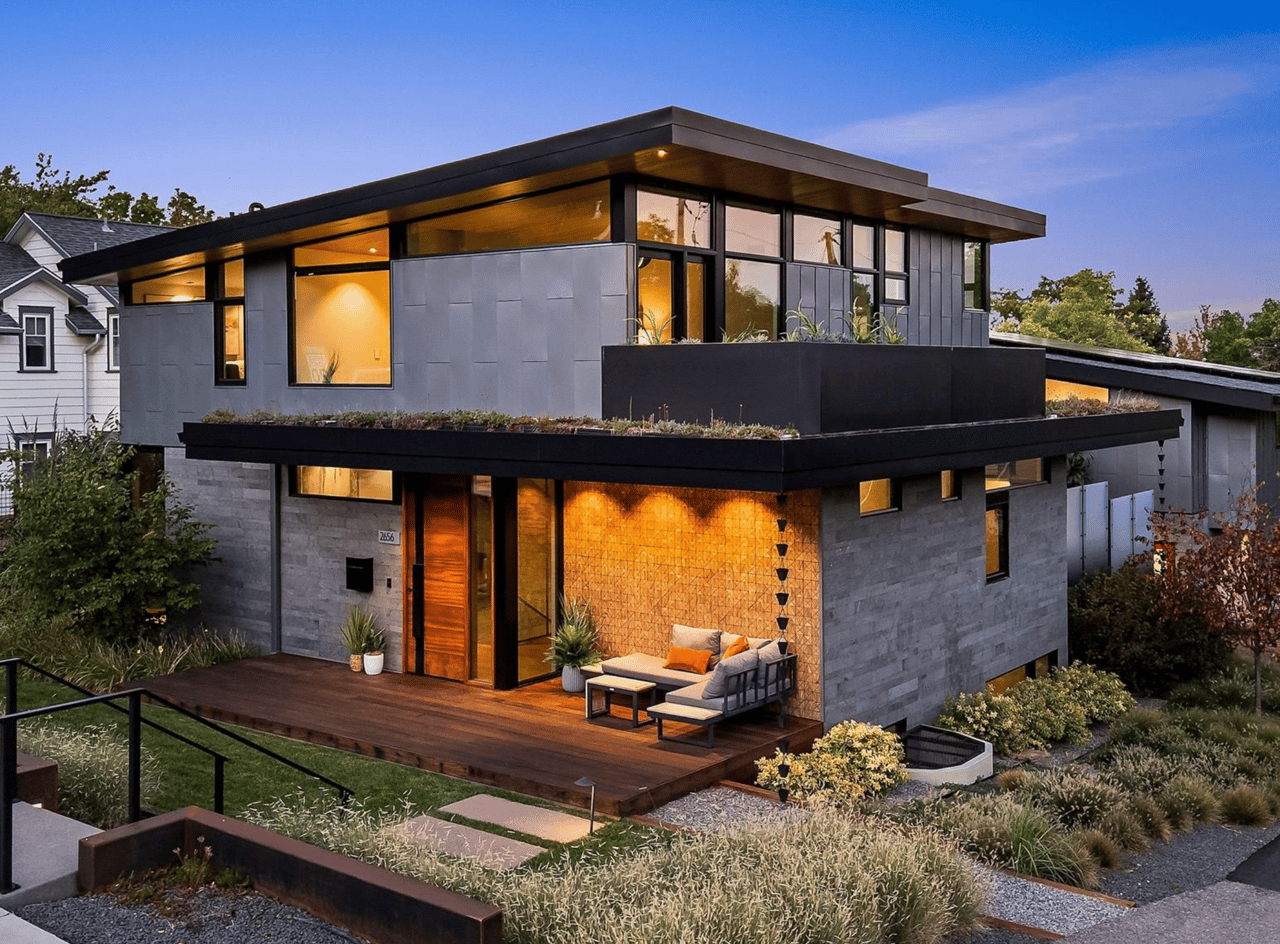
Boulder, Colorado blends outdoor access, university energy, historic character, arts and culture, and a highly livable city feel into one of the most distinctive lifestyle destinations in the Front Range.
Boulder has one of the most recognizable identities in Colorado. It blends a highly active outdoor lifestyle with a strong university presence, a walkable cultural core, a long standing arts scene, and a built environment that feels more distinctive than a typical Front Range city. For buyers, renters, and relocators, Boulder stands out because it is not just scenic or convenient. It has a strong sense of place.[1][2][3][4]
Boulder's strongest local story comes from the combination of everyday outdoor access, historic character, research and innovation, independent cultural institutions, and a downtown energy that stays active well beyond tourism season.[1][2][3][5][6][7][8]
What makes Boulder compelling is how many parts of its identity work together. It is a university town, but it is also a deeply established city with its own civic and cultural rhythm. It is outdoorsy, but not only in a recreational marketing sense. It is arts focused, but not in a way that feels overly formal or detached from daily life. Boulder’s appeal is that it feels usable, lived in, and highly place specific.[1][2][3][4][5][6][7][8] Chautauqua is one of Boulder’s most recognizable historic and cultural landmarks, not just a trailhead. Its grounds and Auditorium have been part of Boulder’s public life for more than a century and remain a major part of the city’s built identity.[5]
Boulder’s reputation for outdoor living is one of the strongest in the state, and much of that identity is tied to the foothills edge and iconic places like Chautauqua. The Chautauqua grounds and Auditorium have been part of Boulder’s civic and cultural life for more than a century, and the setting remains one of the clearest expressions of Boulder’s blend of natural beauty and community character.[3][4][9]
Boulder’s outdoor story is not separate from the city. It is part of the day-to-day experience. The mountain backdrop, access to open areas near the western edge of town, and Boulder’s broader culture of recreation all help define how the city feels.[1][3][4][9]
Boulder’s central city experience is one of its biggest strengths. The Boulder Theater describes itself as being in the heart of downtown Boulder,[5] and institutions like the Boulder Museum of Contemporary Art and eTown reinforce the idea that Boulder’s core is not just commercial — it is creative, civic, and community oriented.[6][8]
The Boulder County Farmers Market adds another important layer. It is stocked entirely by Colorado producers and frames local food and agriculture as part of Boulder’s public life and local identity.[7] That matters for SEO because it supports a richer local picture than generic language about “shops and restaurants.” Boulder is a place where markets, arts, music, and local gathering are part of everyday life.[5][6][7][8]
The influence of CU Boulder is a major part of Boulder’s identity. The university describes itself as Colorado’s leading public research university and the state’s flagship university, with a long history reaching back to 1876.[2] That presence affects more than just the student population. It shapes the city’s intellectual energy, innovation economy, event calendar, housing patterns, and overall rhythm.[2]
CU Boulder helps explain why Boulder feels unusually active, educated, and institutionally strong for its size.
Boulder’s housing stock is not one style, and that is one of the most important things to say. The most accurate description is that Boulder combines older character rich areas, historic homes and cottages near the established core, and a wider mix of later era detached homes, townhomes, condominiums, and infill housing across the city.
Near Chautauqua and other older parts of town, Boulder’s visual identity is shaped by smaller historic homes, cottages, and long established residential streets. In broader Boulder, the housing mix expands into a more varied citywide pattern that reflects decades of growth, university demand, and evolving urban form. Boulder is this: Boulder is known for a mix of historic character homes, established residential neighborhoods, and a broader citywide blend of detached and attached housing with strong location-driven appeal.[2][3][4]
Boulder’s architectural appeal is best understood through preserved character, cultural landmarks, and design conscious civic identity rather than a single dominant neighborhood style. The most recognizable citywide architectural story comes through places like Chautauqua, where the Auditorium’s open wooden architecture and long history remain a defining part of Boulder’s built environment.[3][4]
Boulder’s design identity also comes from the way it balances older structures with civic and cultural reuse. The Boulder Theater and eTown both reinforce that story by anchoring downtown and community life in buildings that feel rooted rather than interchangeable.[5][8]
Boulder is better framed as a place with a strong preservation minded and culture forward architectural identity than as a city defined by one single star architect at the neighborhood level. The design talent most worth recognizing here is the broader tradition of Boulder institutions that preserve, adapt, and keep historic spaces active in contemporary life.[3][4][5][8]
The city itself highlights Boulder Arts Week as an annual celebration of the artists, nonprofits, businesses, theaters, and galleries that make Boulder’s arts and culture scene vibrant.[1] That civic endorsement matters because it shows that Boulder’s creative life is not incidental. It is part of the city’s public identity.
That is reinforced by institutions such as BMoCA, Boulder Theater, and eTown, all of which give Boulder an arts ecosystem that feels unusually dense and community facing.[5][6][8]
One reason Boulder remains so compelling is that it manages to feel local even with a national profile. The university gives it reach. Chautauqua and the foothills give it visual identity. Downtown institutions give it cultural texture. And community spaces like the farmers market keep the city grounded in everyday routines, not just big ticket attractions.[2][3][5][6][7]
Living in Boulder often appeals to people who want a Colorado lifestyle that is active, intellectually engaged, and rooted in place. The city offers outdoor access, cultural programming, a strong university presence, and a residential landscape that ranges from historic charm to more contemporary living options.[1][2][3][4][5][6][7][8]
Boulder’s strongest lifestyle message is not simply that it is beautiful. It is that it combines beauty, activity, and everyday livability in a way that feels hard to replicate elsewhere on the Front Range.
What is Boulder, Colorado known for?
Boulder is widely known for its outdoor lifestyle, university influence, cultural institutions, and distinct sense of place shaped by its foothills setting and established city core.[1][2][3][4]
What types of homes are common in Boulder, Colorado?
Boulder has a varied housing mix, including historic character homes and cottages near older parts of town, along with detached homes, attached housing, and more contemporary residential options across the city.
Does CU Boulder have a big impact on the city?
Yes. CU Boulder is Colorado’s flagship public research university and plays a major role in the city’s energy, economy, event life, and overall identity.[2]
Is Boulder just about outdoor recreation?
No. Boulder also has a strong arts, music, and community culture, supported by institutions like BMoCA, Boulder Theater, eTown, and the Boulder County Farmers Market.[1][5][6][7][8]
What architectural character stands out in Boulder?
Boulder’s architectural identity is defined less by one single style and more by preserved landmarks, historic civic spaces, and a strong tradition of keeping cultural buildings active, especially at places like Chautauqua and in the downtown core.[3][4][5][8]
[1] City of Boulder. Official website / Boulder Arts Week notice. https://bouldercolorado.gov
[2] University of Colorado Boulder. About. https://www.colorado.edu/about
[3] Chautauqua. Official website. https://www.chautauqua.com
[4] Chautauqua. History. https://www.chautauqua.com/about-chautauqua/history/
[5] Boulder Theater. Official website. https://bouldertheater.com
[6] Boulder Museum of Contemporary Art. Official website. https://bmoca.org
[7] Boulder County Farmers Market. Official website. https://www.bcfm.org
[8] eTown. Official website. https://www.etown.org
[9] City of Boulder. Chautauqua Park location page. https://bouldercolorado.gov/locations/chautauqua-park
Contact us to provide an experience unlike others and help you take the stress out of buying and selling your home in the Denver and surrounding area today!