Brighton

Brighton, Colorado blends historic downtown charm, single family neighborhood living, agricultural heritage, wildlife access at Barr Lake, and community centered culture into one of the most distinctive cities in the north metro.
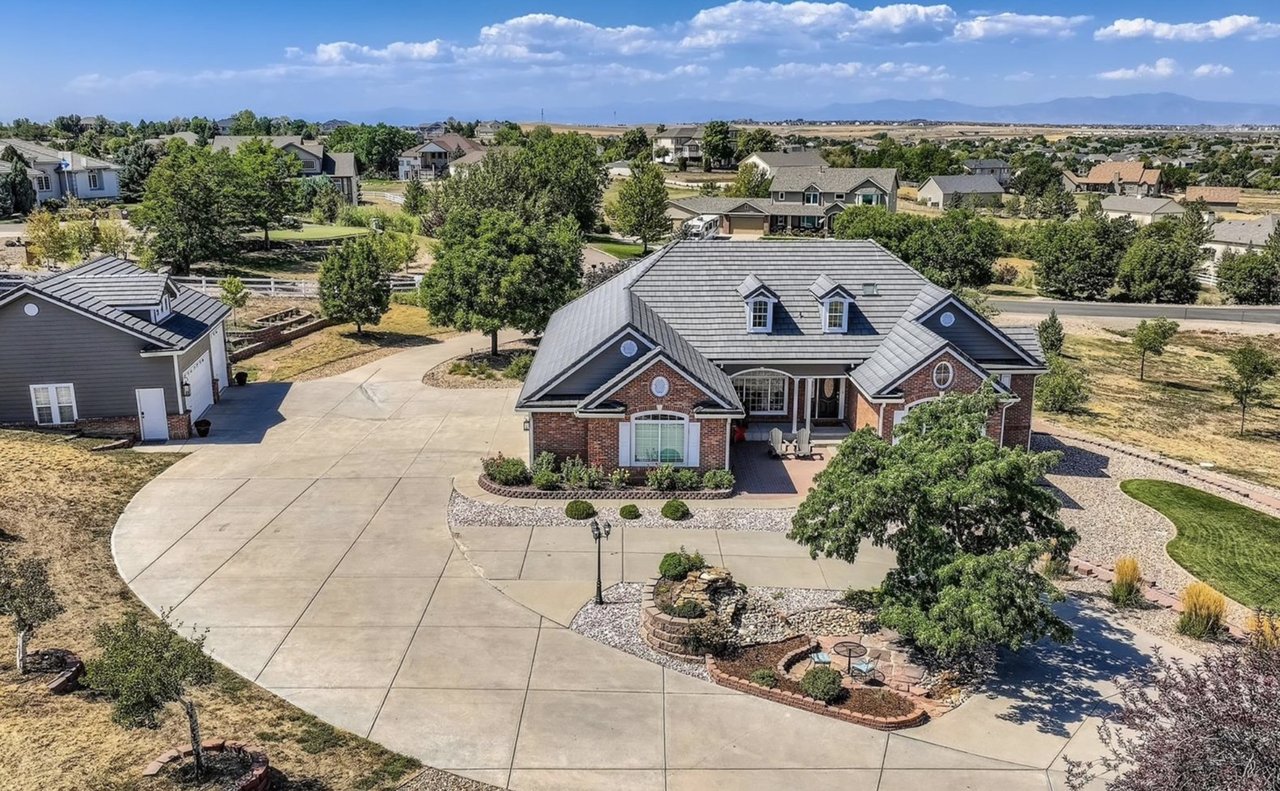
Aerial view of a brick home with a detached garage, curved driveway, and distant mountain range.
Living in Brighton, Colorado
Brighton offers a Colorado lifestyle that feels grounded, historic, and community centered. It blends an agricultural legacy, a preserved downtown core, accessible outdoor recreation, family oriented events, and a growing residential footprint that makes it appealing to both locals and newcomers. For buyers, renters, and relocators, Brighton stands out because it still feels connected to its roots while continuing to evolve.[1][2][3]
Brighton's strongest local story comes from the combination of historic downtown character, farming heritage, community events, wildlife access at Barr Lake, and a housing mix that spans older in-town homes and newer residential growth.[2][3][4][5]
Why People Love Brighton
Brighton has a different feel from many newer Front Range communities. The city is closely tied to Colorado’s agricultural history, and the official downtown historic district page describes Brighton as long recognized for its agricultural contributions, rich soil, and high yielding crops.[2] That farming legacy still shapes the city’s identity today. Barr Lake State Park is one of Brighton’s most distinctive nearby assets, especially for birding. Colorado Parks and Wildlife notes that visitors may spot 371 bird species there, which makes it one of the more surprising wildlife draws in the north metro.[8]
At the same time, downtown Brighton remains the heart of the community. The city notes that for more than a hundred years, downtown has linked town and country together as a trade and commerce district.[2]
Downtown Brighton Gives the City Its Signature Feel
Downtown Brighton is one of the city’s strongest differentiators. The city describes it as rich with built heritage and emphasizes that its historic buildings connect residents, business owners, and visitors to the city’s past while helping create an exciting place to live and work.[2]
Architecturally, the downtown area includes nineteenth century building types and styles, especially Italianate one and two story commercial blocks, along with single and double storefronts that historically blended retail and residential uses.[2] 
Homes in Brighton
Brighton’s housing stock is best understood as a city with older character homes near the historic core and a broader mix of established and newer single family neighborhoods across the city. Brighton is best known for detached single family living, with older homes and small town character closer to downtown and newer neighborhood growth expanding beyond the historic center.
Near downtown, Brighton’s architectural story is shaped by the historic district and older city fabric. That gives the central part of town more texture and history than a purely newer suburban area.[2] Beyond the historic core, Brighton’s residential identity broadens into the kind of neighborhoods many buyers are looking for in the north metro: practical single family living, more contemporary development, and a community layout that still ties back to a traditional downtown.
Architectural Character and Design Legacy
The city’s historic district highlights the prominence of Italianate commercial architecture and the continued importance of preserving built heritage while encouraging reinvestment and walkability.[2]
If there is one architecture talent worth naming, it is John James Huddart. A city historical document tied to the “Historic Brighton at Founders Plaza” mural notes that the Brighton Armory, built in 1921 and opened in 1922, was designed by Huddart, who also designed the Adams County Courthouse and multiple Colorado armory buildings.[5]
The city’s design identity comes from its preserved downtown commercial buildings, civic landmarks, and early 20th century public architecture, with John James Huddart standing out as a notable design figure tied to Brighton’s built history.[2][5]
Outdoor Access Adds a Different Kind of Colorado Appeal
Brighton’s outdoor story is not mountain town recreation. It is more rooted in open skies, wildlife habitat, prairie landscapes, and everyday community parks. That distinction helps the city stand out.
One of Brighton’s best known natural assets is Barr Lake State Park, which Colorado Parks and Wildlife describes as a remarkable place for wildlife observation. The park highlights biodiversity through its iNaturalist program and notes an impressive 371 bird species that visitors may spot.[4] That is a major local differentiator and gives Brighton a nature angle that feels specific rather than generic.
The city also promotes attractions like Bromley Farm, disc golf at Benedict Park, Brighton Oasis Aquatic Park, and community events throughout the year.[3] That combination helps Brighton appeal to people who want recreation and family friendly activities without needing a resort town setting.
Arts, Events, and Community Life
Brighton has stronger cultural infrastructure than many people expect. The city’s attractions page includes the Armory Performing Arts Center and Brighton City Museum at Historic City Hall among the local destinations that define community life.[3]
That arts and culture story is reinforced by the city’s own announcements around programs like Eye for Art, Art in the Park, and other public events.[1] Brighton also supports a public facing cultural identity through projects like the “Historic Brighton at Founders Plaza” mural, which tells the story of the city through founders, agriculture, civic buildings, and local traditions.[5]
Brighton’s Story Is Deeply Connected to Agriculture and Local History
Brighton’s historical document on Founders Plaza explains that the city began with Daniel F. Carmichael’s first land plat in 1881, that the area was originally known as Hughes Station, and that the town was incorporated in 1887.[5] It also notes Brighton’s long standing role as the “Garden Spot of Northern Colorado,” reflecting its fertile crops and agricultural strength.[5]
That agricultural identity is not just background material. It is part of what makes Brighton feel different from newer communities whose identity is mostly residential. Brighton’s story is tied to land, production, trade, and a historic downtown that grew out of those roots.[2][5]
The Overall Lifestyle in Brighton
Living in Brighton often appeals to people who want a city with a stronger sense of local identity than a generic edge-of-metro suburb. Brighton offers historic downtown character, practical single family housing options, visible agricultural roots, community events, cultural venues, and outdoor access anchored by Barr Lake and local parks.[1][2][3][4][5]
It is a place where a day can include coffee or errands downtown, a museum stop or arts event, time at a park or trail, and easy access to one of the region’s best birding and wildlife destinations. That mix gives Brighton a local story that feels authentic and usable.
FAQs
What is Brighton, Colorado known for?
Brighton is known for its agricultural heritage, historic downtown, community events, and outdoor access including Barr Lake State Park.[2][3][4][5]
What types of homes are common in Brighton, Colorado?
Brighton is best known for detached single family homes, with older character homes closer to downtown and a wider mix of established and newer neighborhoods across the city.
Does Brighton have a historic downtown?
Yes. Downtown Brighton is a designated historic district with nineteenth century commercial building types and strong architectural character, including Italianate influences.[2]
What architectural styles stand out in Brighton?
Downtown Brighton is especially associated with one- and two story Italianate commercial blocks and related historic storefront forms.[2]
Is there a notable architect tied to Brighton?
Yes. Historical city materials identify John James Huddart as the architect of the Brighton Armory and the Adams County Courthouse.[5]
Sources
[1] City of Brighton. Official website / events, arts, and community announcements. https://www.brightonco.gov
[2] City of Brighton. Downtown Historic District. https://www.brightonco.gov/1154/Downtown-Historic-District
[3] City of Brighton. Attractions. https://www.brightonco.gov/170/Attractions
[4] Colorado Parks and Wildlife. Barr Lake State Park. https://cpw.state.co.us/state-parks/barr-lake-state-park
[5] City of Brighton. “Historic Brighton at Founders Plaza” mural historical background (PDF).https://www.brightonco.gov/DocumentCenter/View/29395
R Squared Realty Experts fully supports the principles of the Fair Housing Act and all applicable federal, Colorado, and local fair housing laws. We provide equal professional service to all clients and customers. Our neighborhood and city pages are intended to describe objective features of a location — such as housing stock, parks, trails, transportation, architecture, and community amenities — and are not intended to express a preference, limitation, or bias regarding any person or group.

Search Homes

WHO YOU WORK WITH MATTERS

Contact us to provide an experience unlike others and help you take the stress out of buying and selling your home in the Denver and surrounding area today!